Meeting the Mentor
After the Call to Adventure, something shifts.
Your audience isn’t unaware anymore. They’re uncertain.
They don’t need more motivation. They need to know they’re not about to make a mistake.
Meeting the Mentor is the stage where doubt softens, not because everything is explained, but because someone calm and capable steps in.
This is where trust begins.

Where uncertainty is replaced with confidence
Your role here (and what it is not)
At this stage, you are the guide, not the hero.
Your role is not to:
Impress
Prove intelligence
Showcase everything you know
Your role is to:
Reduce uncertainty
Reframe the problem
Make progress feel safe and possible
A good mentor doesn’t rush the hero forward.
They steady them first.

KNIVES OUT
Meet the Mentor in action:
🎬 Knives Out
In Knives Out, Marta is overwhelmed by the chaos of the investigation, feeling trapped between suspicion and loyalty. Then enters Detective Benoit Blanc. He doesn’t solve everything for her, but he reframes her view of the situation. He listens, observes, and provides calm, guiding insights that help Marta find her way through the confusion. Blanc never takes her place in the story, he positions her to succeed.
💼 Business parallel
This is exactly what you must do for your audience. Like Marta, your hero already has the potential, but they’re stuck in noise and doubt. Your role is to be their Benoit Blanc: empathetic, calm, and insightful. Instead of overwhelming them with credentials or overcomplicated answers, you simplify the path and remind them they’re capable. You don’t steal their spotlight, you make sure they feel like the story still belongs to them.
What trust is actually built on
Trust does not come from credentials alone. It comes from three things working together:
1. Credibility
You show you understand the terrain.
Not with big claims, but with grounded signals that say:
“I’ve walked this path before.”
2. Empathy
You reflect their experience back to them accurately.
Not to rescue, but to say:
“What you’re feeling makes sense.”
3. Clarity
You reduce complexity.
Not by oversimplifying, but by showing what matters now and what can wait.
When these three are present, people relax.
That’s when guidance is possible.
A common mistake at this stage
Many people try to earn trust by explaining everything.
But clarity does not come from more information. It comes from better framing.
If your audience feels more capable after engaging with you, you’re doing this stage properly.
If they feel more overwhelmed, you’re doing too much.
INSIGHT
Finding My Mentor Through Content
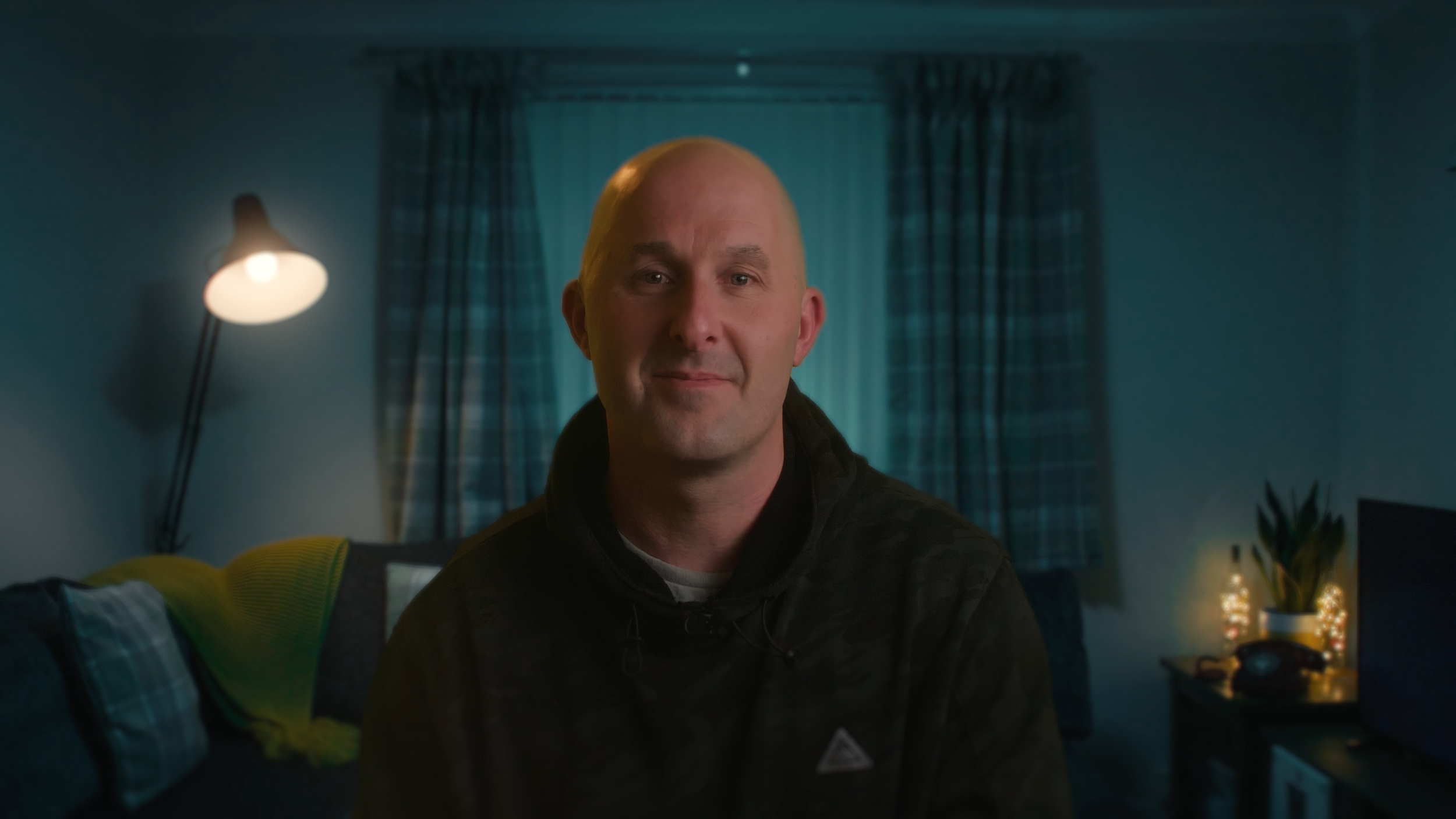
When I was setting up Datrysiad Media, I never had an in-person mentor guiding me through the process, perhaps people of inspiration. However, there wasn’t someone I could call who had already built a media production company and could guide me what to do next.
But that doesn’t mean I was without mentors. My mentors showed up through content.
One of the biggest influences on my thinking has been Chris Do from The Futur. The way he articulates messages, the way he frames business through the lens of customer importance, and the clarity with which he explains why communication matters, all of it shaped how I moved forward.
Chris doesn’t know me. He isn’t consciously mentoring me. But his content became my mentorship. His words helped me reframe my business decisions, think differently about customers, and step forward with confidence.
👉 That’s the power of content. Sometimes, your content is the mentor. Even if you never meet the people it reaches, your guidance can shape their journey in ways you’ll never fully see.

THE FRICTION
A worked example: time drain and cognitive overload
The friction
“By the end of the day, I have nothing left to give content.”
This isn’t laziness.
It’s decision fatigue.
A mentor doesn’t say:
“You need a better strategy.”
They say:
“Of course this feels hard, you’re trying to create at the wrong moment.”
That reframing alone builds trust.
Then clarity follows:
Capture ideas earlier
Reduce decisions later
Lower the bar for what counts as ‘done’
The hero doesn’t feel pushed.
They feel understood.
The line you must not cross
If your content starts to feel like:
Instructions
Homework
Performance pressure
You’ve stepped out of the mentor role.
A mentor creates confidence before commitment.