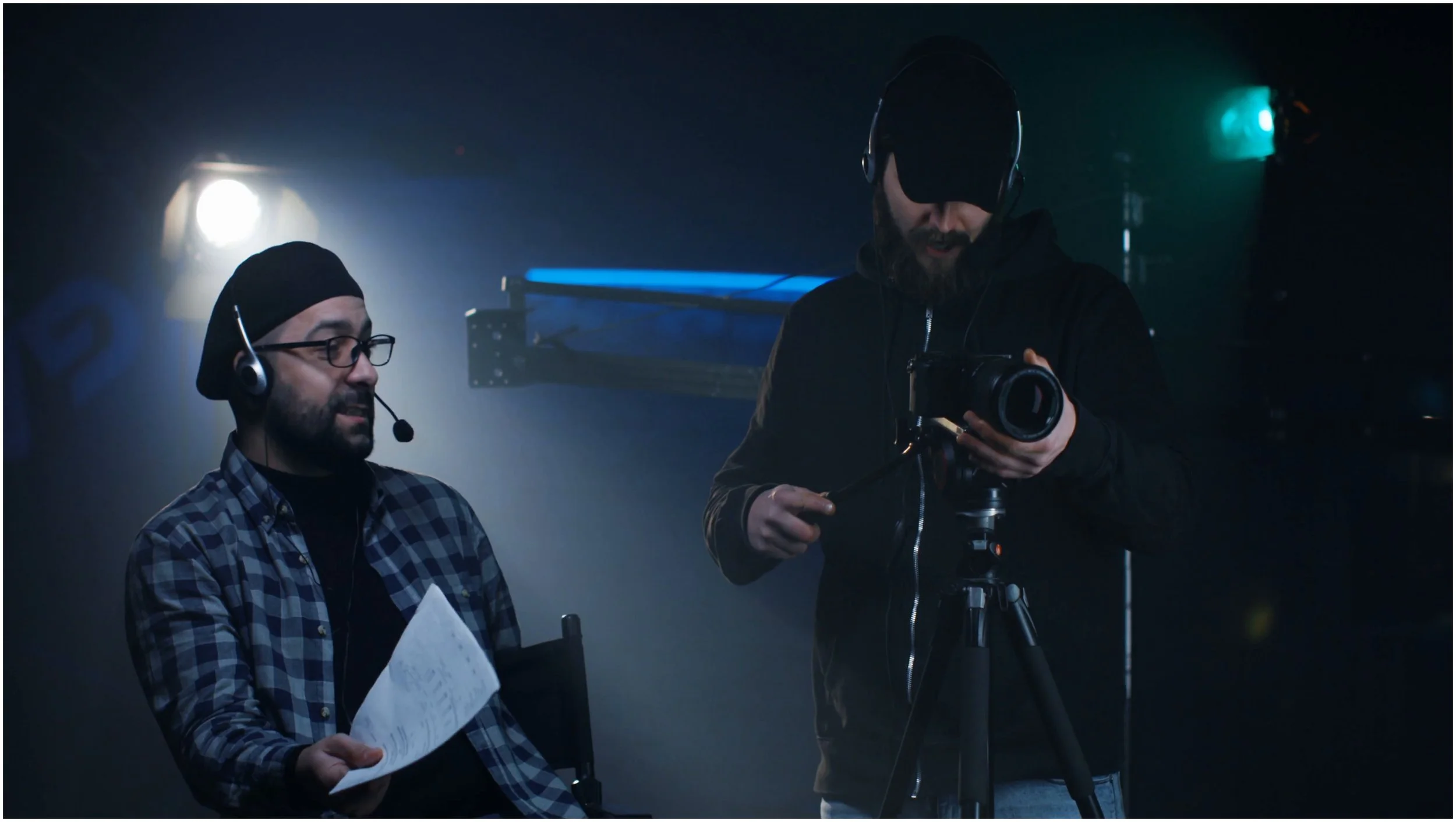
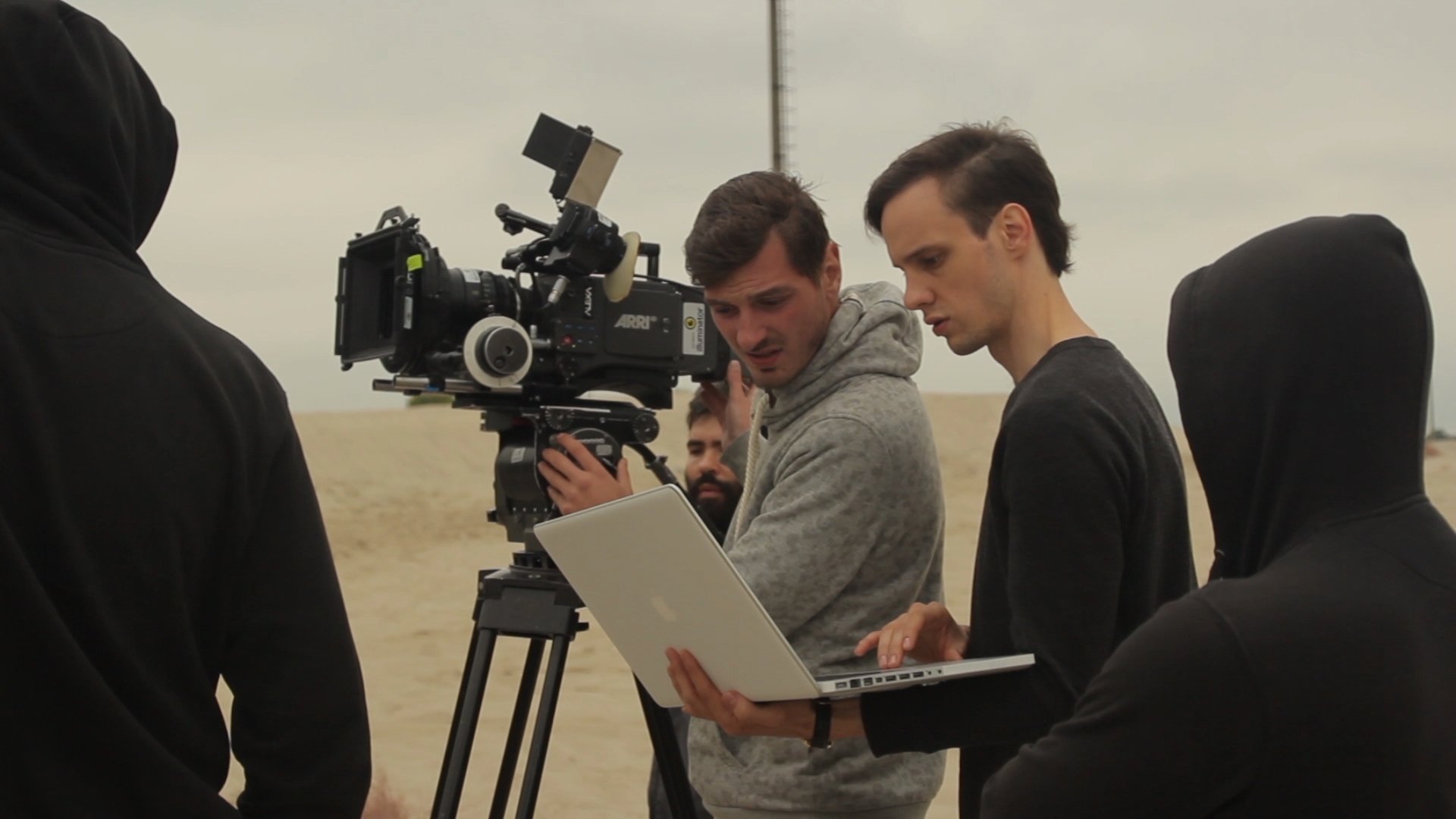
From Concept to Reality: The Importance of Pre-Production in Video Production Services for Clients

Importance of Pre-Production for CLIENTS WORKING WITH A VIDEO PRODUCTION COMPANY

Video production has become an essential tool for businesses to promote their products or services. With the growing popularity of social media and video-sharing platforms, videos have become one of the most effective ways to engage with audiences and convey messages. However, producing high-quality videos is not an easy task. It requires careful planning and preparation, which is where pre-production comes in. In this blog post, we will explore the importance of pre-production in video production services and its benefits for business clients.

What is Pre-Production?

Pre-production is the planning phase of the video production process. It involves developing the concept, script, storyboard, and deciding on the equipment, locations, and actors needed for the video. Pre-production is critical because it lays the foundation for a successful video production process and ensures that the final product is of the highest quality.

Defines the concept and purpose of the video

In pre-production, the client and video production team defines the concept and purpose of the video. This involves understanding the target audience, the message the video needs to convey, and the specific goals that the video is meant to achieve. By defining the concept and purpose of the video in pre-production, the video production team can ensure that the final product is aligned with the client's objectives and resonates with their audience.


Helps to create a realistic budget and timeline

Pre-production is also essential for creating a realistic budget and timeline for the video production process. By defining the scope of the project in pre-production, the video production team can determine the equipment, crew, and locations that will be required, and estimate the amount of time it will take to complete each stage of the process. This helps to ensure that the project is completed on time and within budget.


Streamlines the production process

Pre-production helps to streamline the production process by identifying potential issues before they arise. For example, if a particular location or actor is not available, the video production team can find an alternative in pre-production, rather than scrambling to find a replacement on the day of the shoot. By identifying potential issues in pre-production, the video production team can avoid delays and keep the project on track.


Enhances the quality of the final product

Perhaps most importantly, pre-production helps to enhance the quality of the final product. By carefully planning each aspect of the video production process in pre-production, the video production team can ensure that the final product is of the highest quality possible. This includes everything from the script and storyboard to the lighting and sound design. By taking the time to plan and prepare in pre-production, the video production team can create a video that truly stands out.

Benefits of Pre-Production for Business Clients
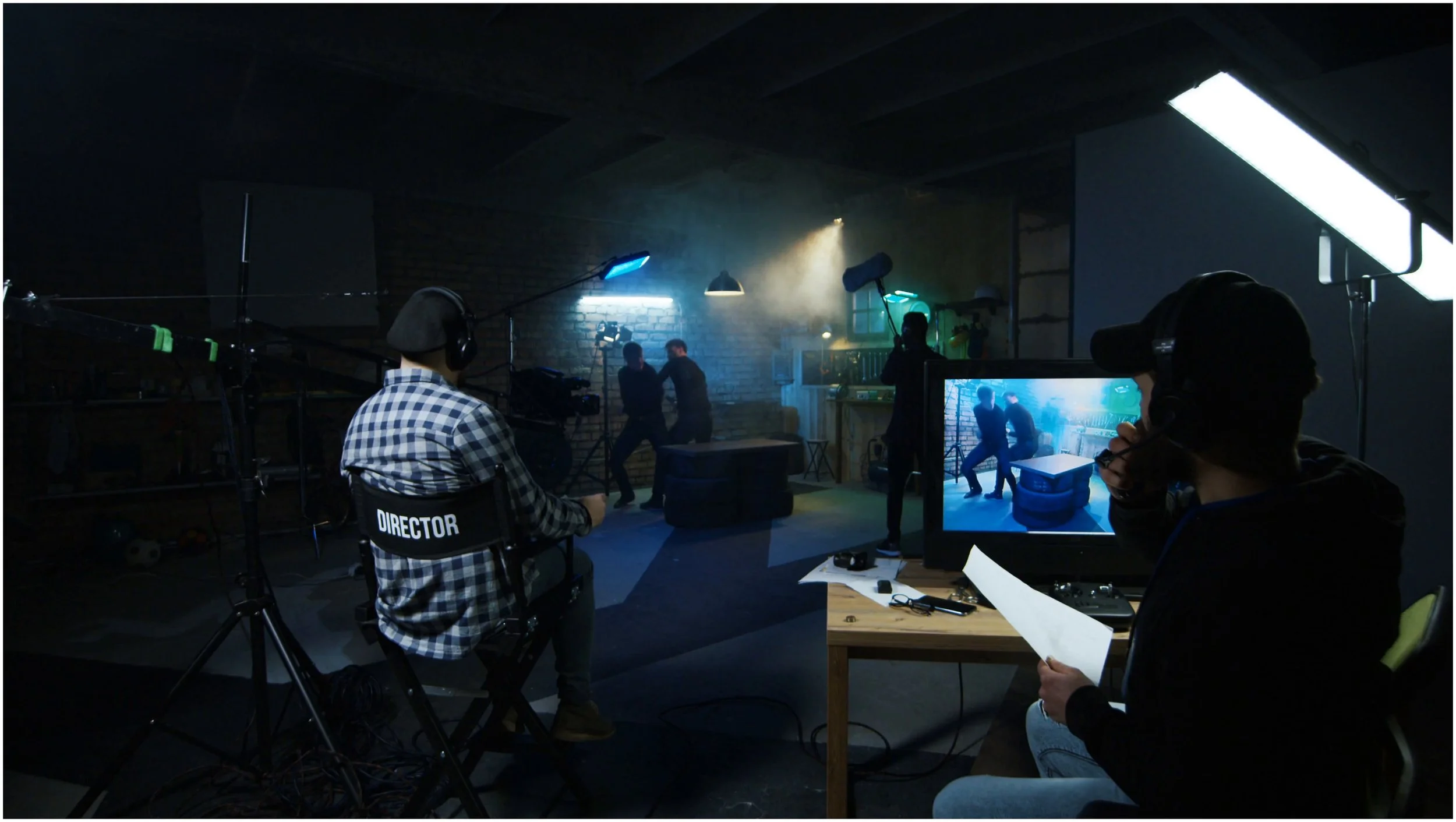
Saves time and money

Pre-production can save businesses time and money by ensuring that the video production process runs smoothly. By identifying potential issues in pre-production, the video production team can avoid delays and keep the project on track. This helps to ensure that the project is completed on time and within budget.


Ensures that the video aligns with the company's brand and values

Pre-production helps to ensure that the video aligns with the company's brand and values. By defining the concept and purpose of the video in pre-production, the video production team can ensure that the final product is aligned with the client's objectives and resonates with their audience. This helps to build brand awareness and strengthen the company's reputation.
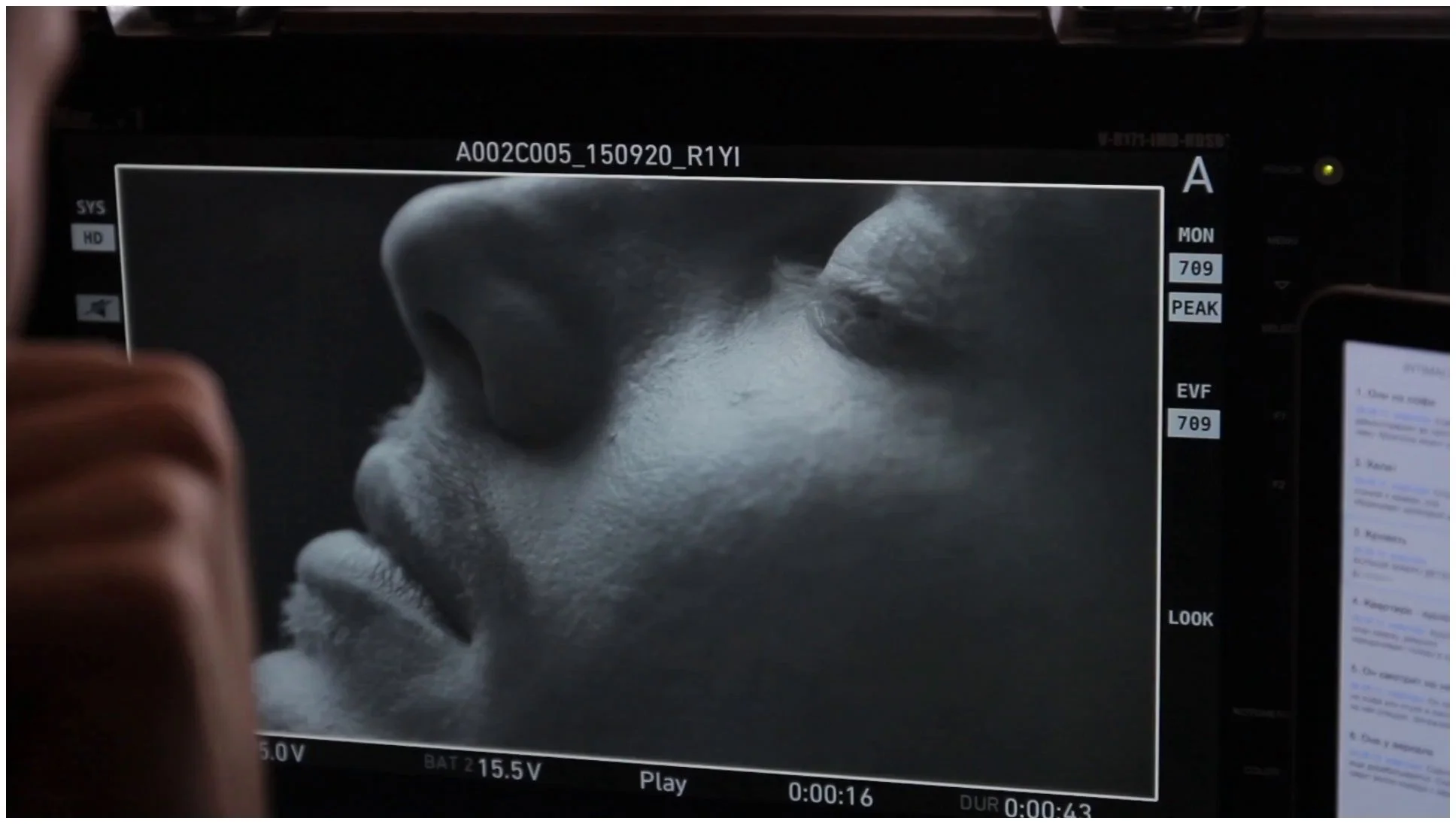
Helps to tell a compelling story

Pre-production helps to ensure that the video tells a compelling story. By carefully planning each aspect of the video production process in pre-production, the video production team can create a video that engages the audience and conveys the company's message in a meaningful way. This helps to build a stronger connection with the audience, which can ultimately lead to increased sales or customer loyalty.

Provides a professional image

Pre-production helps businesses to create a professional image through their videos. By carefully planning each aspect of the video production process in pre-production, the video production team can ensure that the final product is of the highest quality and meets the company's standards. This helps to create a positive impression on the audience and can lead to increased brand recognition and customer trust.


Offers flexibility and adaptability

Pre-production allows businesses to be flexible and adaptable in their video production process. By identifying potential issues and making necessary adjustments in pre-production, the video production team can adapt to changing circumstances and ensure that the final product is of the highest quality. This helps businesses to respond to feedback from their audience and adjust their video content accordingly.


Conclusion

Pre-production is a critical step in the video production process for businesses. It helps to define the concept and purpose of the video, create a realistic budget and timeline, streamline the production process, enhance the quality of the final product, and provide a professional image. Additionally, it offers businesses flexibility and adaptability in their video production process. By taking the time to plan and prepare in pre-production, businesses can create videos that truly stand out and engage with their audience, ultimately leading to increased sales or customer loyalty.

Further Info

WHAT A CLIENT CAN EXPECT ON PRODUCTION DAY

Collaborating for Success: The Value of the Consultation Phase in Video Production


Video has become an essential component of modern business marketing strategies, allowing companies to showcase their products, services, and values in a visually engaging and dynamic format. However, the creation of effective video content requires careful planning, expertise, and a thorough understanding of the client's vision and goals. This is where the consultation process with a video production service becomes crucial.

The consultation process is a collaborative phase in the video production process where the video production service and the business client discuss the project's details, scope, and goals.


UNDERSTANDING YOUR CLIENTS LANGUAGE OR BLUE MONSTER!

Your clients blue monster is just for reference, but has particular importance when it comes to understanding your client. The following conversation with my wife will illustrate a real life example.

The backstory of the blue monster, my wife and I are traveling in the car, listening to Imagine Dragons.


So, the point is, that until you understand what the client’s blue monster is, all those other great ideas and suggestions will mean nothing because the client is still thinking about the blue monster.

In all possibility the blue monster might be irrelevant, but until you find that out, you are always at a sticking point, and when a customer doesn’t feel like they are being heard then that can cause a lot of contention moving forward.

This means getting on the same page is key before you move onto the planning stage. In my role as video production owner this is incredibly important and given the explosion of social media over the last few decades, video has emerged as a powerful tool for showcasing products, services, and values.

But creating effective video content requires meticulous planning, expertise, and a deep understanding of the client's vision, which translates well to other business practices.

That's why understanding the client's perception of "good" or "excellent" is crucial in delivering a video that meets their expectations and aligns with their vision.

Here are some examples of how you can achieve this during the consultation process

Ask for Specific Examples

During the initial conversation, ask the client for specific examples of videos they consider "good" or "excellent." These examples could be videos from their industry or even videos from other industries that have qualities they admire. Understanding the elements, they appreciate in those examples will provide valuable insights into their preferences.

Explore Their Previous Experiences

Inquire about any past experiences the client might have had with video production or marketing. Ask them to share what they liked or disliked about those experiences. Understanding their previous encounters with video content will give you a clearer picture of what resonates with them.


Define Success Metrics

Discuss with the client how they would measure the success of the video project. What specific outcomes do they expect to achieve? Whether it's increased website traffic, higher engagement on social media, or more conversions, knowing their success metrics will help tailor the video to their specific goals.


Use Story boarding and Visual References

Create storyboards and visual references based on the client's initial description of their ideal video. This visual representation will help both you and the client get on the same page and ensure everyone has a shared understanding of the project's direction.

Share Testimonials and Case Studies

Present testimonials or case studies from previous clients who had similar objectives or challenges. By showcasing successful outcomes achieved for others, the client gains confidence in your ability to deliver their desired results.


Set Realistic Expectations

Be transparent about what can be realistically achieved within their budget and timeline. If their expectations seem too ambitious, guide them towards achievable alternatives that still align with their vision.


Conduct Mock Reviews

During the consultation, walk the client through a mock review of an existing video project, highlighting various aspects like script, visuals, and editing. Ask for their feedback and encourage them to express what they consider good or excellent in each aspect.

Be Responsive and Adaptable

Throughout the project, be responsive to the client's feedback and adapt accordingly. Show them that you value their input and are willing to adjust to ensure the final product meets their expectations.

By implementing these strategies, you'll create a collaborative atmosphere that encourages the client to express their preferences and vision clearly. This understanding will pave the way for a successful video production process, ultimately leading to a video that the client perceives as "good" or even "excellent" - a result that both parties can be proud of.


Better Planning

The consultation process lays the groundwork for success, starting with better planning. The client and I come together to explore the client's goals, vision, and target audience. But how can clients effectively communicate their desires to ensure a comprehensive plan is developed? Let's explore some essential tips for a successful consultation:

Define Your Objectives Clearly - Client: We want a video to promote our new product.

It's essential to be clear about what you want to achieve with the video. Specify your marketing objectives, whether it's raising brand awareness, increasing sales, or educating your audience. The more specific you are, the better the video production team can tailor their approach. Remember what you want the audience to see, think and feel about the video.

 Set a Realistic Budget and Timeline - Client: We have a budget of £X amount and need the video ready in 6 weeks.

Clearly communicate your budget constraints and desired timeline. This helps the video production team identify what can be achieved within those limitations and prevents any surprises later in the process.

Share Inspirational Examples - Client: We love the storytelling style of Company XYZ's recent video.

If you've seen videos you admire, share them with the video production team. These examples offer valuable insights into your preferences and can serve as a source of inspiration for the creative process. It’s important for the video production team to also break down the video for you, how it was shot, schedule, rough costing it would take for them to replicate it. Understand that whilst having example videos are great, they also must be grounded that complies with your budget.


Cost Savings

Proper planning during the consultation process can help to minimize the cost of the video production project. A well-thought-out plan can help the video production service focus on the essential elements of the project, avoid unexpected expenses, and ensure that the project is delivered on time and within budget.

Prioritise Key Messages - Client: Our focus is to highlight the product's unique features and ease of use.

Determine the key messages you want to convey through the video. Focusing on the most critical aspects ensures that the video remains impactful while avoiding unnecessary expenditures on less crucial elements.

Opt for Versatility - Client: We'd like to use the video in both online ads and at trade shows.

Consider creating versatile content that can be repurposed for multiple platforms or events. This approach maximizes the video's value and reduces the need for separate productions for different purposes.

Maintain Realistic Expectations - Client: We'd love to have Hollywood-level visual effects.

While it's essential to aim high, keep in mind that elaborate visual effects can significantly impact costs. Work with the video production team to find a balance between your vision and what's achievable within your budget.


YOU DON’T NEED TO BE A MAD SCIENTIST…. BUT

Every business client has unique needs, goals, and target audience.

CustomiSed Approach

Every business client has unique needs, goals, and target audience. The consultation process helps the video production service understand the client's specific requirements and tailor the video production service's approach to the project. A customized approach ensures that the final product reflects the client's brand, style, and messaging.

Embrace Authenticity - Client: We're proud of our small, close-knit team.

Embrace the unique aspects of your business, such as your team's camaraderie or your local community involvement. Authenticity resonates with audiences and helps humanize your brand.

Tailor the Video's Tone and Style - Client: Our audience prefers a friendly and approachable tone.

Communicate your preferred tone and style for the video. Whether it's friendly and informal or professional and informative, aligning the tone with your target audience's preferences enhances engagement.

Understand Your Audience's Pain Points - Client: Our audience is concerned about their environmental impact.

Identify your audience's pain points and aspirations. By addressing their concerns and demonstrating how your business provides solutions, your video will resonate deeply with potential customers.


Enhanced Collaboration

The consultation process promotes collaboration between the business client and the video production service. The client can provide feedback, ask questions, and express concerns during this process, and the video production service can use this feedback to adjust and improve their approach to the project.

Establish a Welcoming Atmosphere

From the very first meeting, create a friendly and approachable atmosphere. Let the client know that their input is valued and encourage them to share their thoughts throughout the process.

Active Listening

Actively listen to the client's ideas, preferences, and concerns. Paying attention to their words shows respect for their vision and ensures that their needs are fully understood.

Encourage Honest Feedback

Be proactive in seeking feedback from the client. Ask specific questions about their thoughts on the creative concepts, visuals, and messaging. Encourage honest opinions, even if they differ from the initial plan.

Address Concerns Proactively

If the client raises concerns, address them promptly and professionally. Explain how any issues will be resolved and be transparent about potential challenges or adjustments that may be required.

PRO-ACTIVE NOT RE-ACTIVE

Understanding each others language, engaging in talks, leads to better outcomes, preventing issues easily with simple conversations.


CONCLUSION

Armed with a deep understanding of the client's vision and objectives, the video production service can craft high-quality video content that effectively communicates the client's message, resulting in captivating and engaging marketing materials. The superior results achieved through this process lead to remarkable returns on investment for the business client.

The consultation process with a video production service is a critical component of successful video production projects. By promoting collaboration, better planning, cost savings, customization, and superior results, the consultation process ensures that the business client receives high-quality video content that aligns with their vision, goals, and target audience

DEFINE YOUR BLUE MONSTER

Let us help you simplify communicate and create great content together!


Why Businesses Shy Away from Video Production Services (And How to Overcome Those Hurdles)

In today's digital age, video content is king. Studies show that video content is more engaging, more memorable, and more likely to be shared than any other form of content. So why do so many businesses shy away from using video production services for their business and social media?

 In this blog post, we'll explore five key reasons why businesses may be hesitant to use video production services and offer tips on how to overcome those hurdles.


Perception of High Cost

The perception of high cost surrounding video production services is a common hurdle that businesses encounter when considering video content creation. As a result, some businesses opt to create content in-house with minimal staff and resources to cut costs.

While this approach may seem cost-effective initially, and we always ask businesses to try and do content creation of their own to manually assess the workload involved in creating content, we also recongnise that it can compromise the quality of the video content and divert focus away from other critical areas of the business. Let's explore how this perception impacts businesses and why outsourcing video production is a more effective solution:

1. Quality Compromises

Limited staff and resources can lead to compromised video quality. Creating professional and engaging videos requires a combination of skills, including scripting, filming, editing, and post-production. In-house teams with limited experience in video production may struggle to achieve the level of quality necessary to captivate and retain an audience. Subpar production values can reflect poorly on your brand and may deter potential customers.

Example: A small startup attempts to create product demonstration videos in-house using a smartphone camera and basic editing software. While their intentions are good, the lack of professional equipment and expertise results in shaky footage, inconsistent lighting, and subpar audio quality, which detracts from the message they want to convey.

2. Time and Resource Allocation:

Creating video content in-house requires time and resources that may be better spent on other core business activities. Employees assigned to video production tasks may take focus away from their primary roles, leading to a decrease in overall productivity. Additionally, video production demands continuous learning and improvement to stay updated with the latest trends and techniques, which may be time-consuming for employees not dedicated to the craft.

Example: A medium-sized marketing agency decides to handle video content creation internally. As a result, their marketing team members, who are already managing various campaigns, take on the additional responsibility of video production. The increased workload affects their ability to deliver optimal results in other marketing areas, impacting the overall efficiency of the agency.

3. Limited Creativity and Expertise:

Video production is a specialized skill that requires creativity, technical know-how, and an understanding of storytelling. Without the expertise of professional video producers, businesses may struggle to convey their brand's message effectively and creatively. In-house teams may have limited access to advanced equipment, special effects, or the latest video production trends, limiting their ability to stand out in a competitive market.

Example: An e-commerce company attempts to create a promotional video for their latest product line in-house. However, lacking access to specialized equipment and professional editing software, they are unable to create the visually stunning and attention-grabbing content they envisioned. As a result, their video fails to generate the desired impact on their target audience.

While the perception of high cost may tempt businesses to handle video content creation in-house, it's essential to recognise the potential drawbacks. Investing in professional video production services ensures high-quality, engaging content that aligns with your brand's image and goals. Outsourcing video production allows your team to focus on their core competencies, while experienced professionals bring your vision to life through creative storytelling and technical expertise.

Lack of Knowledge

The lack of knowledge in video production is a significant hurdle that businesses face when considering creating video content. While video production may not be overly complicated, it still requires time and effort to learn and master the necessary skills. Business owners have a myriad of responsibilities to handle, making it challenging to dedicate ample time to acquiring video production expertise. Let's explore how businesses are affected by this lack of knowledge and the pros and cons they must consider when deciding whether to take on video production themselves:

1. Time Constraints

Learning video production, even at a basic level, demands time that business owners may not have. With a range of day-to-day tasks to manage, from overseeing operations to managing employees and handling customer interactions, adding video production to the mix becomes an additional burden. It's crucial for business owners to weigh the time required for learning video production against the time needed to focus on core business activities.

2. Opportunity Cost

The time spent learning video production and creating content internally comes with an opportunity cost. Business owners must evaluate whether investing their time in video production is the most valuable use of their skills. Choosing to focus on what they do best – managing and growing their business – might yield more significant benefits in the long run.

3. Resource Allocation

Learning video production often involves investing in equipment, software, and training. Businesses must consider the financial implications of acquiring these resources versus outsourcing video production services. Calculating the return on investment for both options is crucial in making an informed decision.

Example: A small retail store owner wishes to create promotional videos for their products to boost sales. While they have a genuine interest in learning video production, they quickly realize that acquiring the necessary equipment and dedicating time to learning new skills would divert their focus from managing the store effectively. In this scenario, outsourcing video production becomes the more practical option.

4. Quality Concerns

In-house video production without sufficient expertise can lead to lower-quality content that may not resonate with the intended audience. Businesses must assess whether they can achieve the desired level of quality to effectively communicate their brand's message through self-produced content.

5. Consistency and Expertise

Consistency is vital in content creation, including video marketing. Businesses need to consider whether they can consistently deliver high-quality video content that aligns with their brand identity. Professional video production services can provide the necessary expertise and resources to ensure content consistency.

While the lack of knowledge in video production can be a hurdle, it's essential for business owners to make informed decisions about content creation. Weighing the pros and cons of learning video production versus outsourcing the service is vital in maximizing the benefits for your business.


Uncertainty About What Kind of Content to Create

Feeling uncertain about the type of content that will resonate with your audience is a common challenge faced by many businesses. The key to overcoming this hurdle lies in understanding your target audience, their preferences, and the goals you want to achieve with your video content. Let's explore different types of content and how they can benefit different kinds of businesses:

Product Demos

Product demonstrations are perfect for businesses that offer physical products or software solutions. By showcasing how your product works and its unique features, you can effectively demonstrate its value to potential customers. This type of content is particularly useful for industries like technology, cosmetics, gadgets, and kitchen appliances, where seeing the product in action enhances understanding and boosts trust.

Customer Testimonials

Customer testimonials work wonders for businesses in any industry. They build social proof and credibility, showing potential customers that real people are satisfied with your products or services. Whether you're in the healthcare sector, hospitality, or e-commerce, heartfelt testimonials can connect with your audience emotionally and influence their purchasing decisions.

Educational Content

Educational videos are highly beneficial for businesses that aim to position themselves as thought leaders in their industry. Sharing knowledge and expertise through tutorials, how-to guides, and informative videos not only engage your audience but also establish your brand as an authority. This type of content is particularly relevant for B2B companies, training institutes, and professional services.

Behind-the-Scenes Peeks

If you want to showcase your company's culture, values, and the people behind your brand, behind-the-scenes content is the way to go. It humanizes your business and creates a strong emotional connection with your audience. Businesses in the hospitality industry, creative agencies, and startups can effectively use this type of content to build trust and authenticity.

Brand Storytelling

Every business has a unique story to tell, and brand storytelling videos help you do just that. By narrating your journey, challenges, and triumphs, you create an emotional bond with your audience. This content type is perfect for businesses in the nonprofit sector, local businesses, and brands with a strong social or environmental mission.

Explainer Videos

Explainer videos simplify complex concepts and are great for businesses that offer intricate products or services. Whether you're in the software industry, finance, or medical field, explainer videos break down technical information into easily digestible content, making it engaging and accessible to your audience.

Event Highlights

If your business hosts or participates in events, capturing the highlights through video can extend their reach beyond the physical attendees. This content type works well for event management companies, conferences, trade shows, and businesses in the entertainment industry.

Remember, the content you create should always align with your brand's identity and cater to the interests and needs of your target audience. A diverse content strategy that incorporates various types of content can keep your audience engaged and excited about what your business has to offer. Keep experimenting, analyzing audience feedback, and refining your video content to achieve the best results for your business.


Fear of the Unknown

The fear of the unknown can be a formidable obstacle that prevents businesses from fully embracing video content creation. Impostor syndrome, a common manifestation of this fear, can have a significant impact on businesses, leading to self-doubt and reluctance to step into the spotlight. In addition to impostor syndrome, the fear of not getting a return on value can also deter businesses from investing in video content. Let's explore these fears in more detail and ways to overcome them:

Impostor Syndrome Hindering Video Creation

a. Feeling Inadequate in Front of the Camera

Business owners and employees may feel self-conscious about their appearance, speaking abilities, or public speaking skills. This fear of not being good enough on camera can prevent them from taking the first step towards creating video content. Overcoming this fear involves acknowledging that authenticity is more powerful than perfection. Your audience values genuine, relatable content more than flawless performances.

b. Underestimating the Value of Expertise

Impostor syndrome can lead individuals to downplay their knowledge and expertise, causing them to believe that they have nothing unique or valuable to offer. However, every business possesses insights and experiences that can benefit their audience. To combat this fear, recognize the value of your expertise and trust that your knowledge can make a positive impact on your viewers.

Fear of Not Getting a Return on Value

a. Worrying about Low Engagement:

Businesses may fear that their video content will not receive enough views or engagement, leading to doubts about the effectiveness of their investment. It's essential to remember that building an audience and engagement takes time and consistent effort. Instead of fixating on short-term metrics, focus on providing valuable content that addresses your audience's needs and interests. Over time, as your audience grows, engagement will follow.

b. Concerns about Cost and ROI:

Investing in video production services can seem like a significant financial commitment, and businesses may worry about not getting a sufficient return on investment (ROI). To mitigate this fear, establish clear goals and objectives for your video content. Whether it's increasing brand awareness, driving sales, or building customer trust, having specific goals will help you measure the success of your video marketing efforts.

c. Fear of Competition:

The fear of being overshadowed by competitors can discourage businesses from creating video content. Remember that your unique brand identity and authentic storytelling will differentiate you from others. Focus on showcasing your business's strengths and value proposition, and don't get discouraged by what others are doing. Your content's quality and relevance to your audience will set you apart.

Overcoming the fear of the unknown, including impostor syndrome and concerns about return on value, requires a shift in mindset and strategic planning. Embrace authenticity, recognize your expertise, and let go of the need for perfection in front of the camera. Set clear goals for your video content and focus on providing value to your audience.

Remember that video content is an essential tool for building brand presence, engaging with your audience, and driving business growth. Be patient and consistent in your video marketing efforts, as success may not happen overnight. The more you engage with your audience, gather feedback, and refine your content, the closer you'll get to achieving your business objectives.

By facing these fears head-on and embracing the power of video, you open the door to exciting opportunities for your business. Trust in your ability to create valuable content, and let your unique voice shine through in your videos. With dedication, creativity, and a willingness to learn, you'll conquer the fear of the unknown and reap the rewards of successful video marketing.


Lack of Time

For busy business owners, lack of time is a common challenge that can deter them from taking on the additional responsibility of content creation, especially when it comes to video production. With a myriad of tasks to manage, from overseeing operations to handling customer interactions and strategic planning, adding content creation to the mix can feel overwhelming. Multitasking and spreading oneself too thin can lead to burnout, stress, and a lack of enthusiasm for taking on another role. However, there are solutions to help businesses overcome this hurdle and take the pressure off business owners when it comes to creating content:

1. Focus on Core Business Activities

As a business owner, your primary focus should be on core business activities that directly impact growth and success. Spending time on content creation can divert your attention from critical tasks, leading to sub optimal results in both areas. By outsourcing video production services, you can confidently delegate this responsibility to professionals who specialize in creating engaging and effective content.

2. Efficient Workflow and Expertise

Video production companies have streamlined workflows and access to a team of experts in script writing, filming, editing, and post-production. This efficiency allows them to create high-quality videos in a timely manner. Handing over content creation to professionals ensures that the process is well-managed, and the end product is aligned with your brand's vision and objectives.

3. Creative Collaboration:

Working with a video production service is a collaborative process. You share your ideas, goals, and brand identity, and they bring their creative expertise to the table. This collaboration ensures that the final product reflects your unique voice while benefiting from the creativity and insights of experienced professionals.

Example: A restaurant owner, managing both front-of-house operations and back-end administrative tasks, wants to promote a special event through video marketing. The lack of time and expertise to produce the video in-house leads to frustration and potential delays. By engaging a video production service, the restaurant owner can focus on the event's logistics, knowing that the promotional video will be crafted professionally and delivered on time.

4. Consistent Content Delivery

Maintaining a consistent content schedule is crucial for engaging with your audience effectively. However, when time is scarce, content creation can become irregular, leading to missed opportunities. Video production services can help create a content calendar and deliver consistent video content that keeps your brand relevant and your audience engaged.

5. Reducing Stress and Overwhelm

Delegating content creation to professionals alleviates the stress and overwhelm that come with taking on additional responsibilities. Knowing that your video content is in capable hands allows you to focus on running your business with a clear mind and renewed energy.

Time is a precious resource for busy business owners, and it's vital to use it wisely to achieve your business goals effectively. By outsourcing video production services, you can take the pressure off yourself and ensure that your content needs are met efficiently and professionally. Professional video production companies bring their expertise, creativity, and efficient workflows to the table, allowing you to focus on your core business activities while still reaping the benefits of engaging and impactful video content.


Conclusion

Congratulations on facing and overcoming the common hurdles that businesses encounter when considering video production services. By dispelling the myth of high costs, seeking expert guidance, exploring content ideas, embracing the unknown, and letting go of time constraints, you're now empowered to harness the power of video for your business.

Remember, video is just one tool in your marketing arsenal. Utilize it wisely to showcase your brand, connect with your audience, and take your business to new heights. As you venture into the world of video marketing, keep an open mind, embrace creativity, and adapt your approach based on feedback from your audience.

Thank you for reading this article! If you found it helpful, please share it with fellow business owners, and don't forget to subscribe to our website for more valuable content on business success and digital marketing. Stay positive, informed, and continue thriving on your business journey. Until next time, take care!

Purple Shoots and Scentsational Cottage Testimonial Shoot

Another sunny day and another testimonial to do for Purple Shoots. Yesterday we was collecting the testimonial from Scentsational Cottage run by Ruth and Alun Hancock.

Link: https://www.scentsationalcottage.com/

As with the last shoot at Something Fresh, I popped into Scentsational Cottage to meet with the owners to run them through the process and to offer them any guidance they needed. This also allows me to get a feel for the layout, I was able to plan where the camera and lights would be for they day.

We had a little bit more room to play with this time so this afforded me the option of using a multi cam setup and use our lantern light to help lift the exposure in the room.

The set up was two cameras placed where the tills where located, we had one wide and one tighter shot that we could switch between. Only one camera is needed for the B-Roll

For the rig, this is all setup on a single tripod and using a 48” slider I have retro fitted this so that it can hold the two cameras, camera monitor, audio recorder and a mini boom arm all from the same tripod.

This allows me to keep the set up compact but very functional. Whilst we had more space there was only really one location we could place the light, however because its a big lantern it did provide for some nice soft light and left the image feeling natural.

Editing was done in a day and has been delivered to Purple Shoots awaiting approval


Purple Shoots and Something Fresh Testimonial Shoot

Nice to be finally back out in public doing some work. Purple shoots want Datrysiad Media to get some testimonials from businesses that they have helped set up. Business in question is Something Fresh

Link: https://somethingfreshcardiff.com/

They are a non profit organisation and they have also just opened Len & Jen’s Tea Room.

Met with the owner before the actual shoot to discuss what we needed to achieve, this also served the purpose for me to scout the shop to see where the best place to perform the testimonial. Beautiful place but we was limited for space to shoot.

So for this we stuck to 1 camera for the main testimonial and the same camera to capture the B-Roll

Setup took 20 minutes, testimonial took 15 minutes and the rest of the time was spent capturing B-Roll.

All in all was a lovely morning and the owners where a pleasure to work with. It was busy whilst working there so made sure to mask up, was a little worried about the audio but everything turned out great.

The edit took around 1 day to complete and was delivered to Purple Shoots for review, no changes was required.

Something Fresh was a pleasure to work with and look forward to working with them again.

The final video can be viewed on Purple Shoots YouTube page: https://youtu.be/YjBj-2fgmAg