Many professionals know their work deeply. They’ve spent years building experience, solving problems, and developing expertise.
Yet when it comes time to explain what they do, many struggle.
Not because they lack knowledge.
Not because they lack confidence.
Often, it is because they are being asked poor questions.
Shallow questions tend to create shallow answers.
If someone is only ever asked, “What do you do?” they often default to job titles, services, or surface-level descriptions. But real value usually sits much deeper than that.
Better conversations often begin with better questions.
Whether you are networking, building relationships, creating content, or trying to understand someone’s business properly, the right questions can unlock clarity quickly.
Here are four questions that often reveal the real nature of someone’s work.
1. What sorts of conversations have you been having with your clients lately?
This question moves beyond services and into reality.
Most people describe their work through what they offer:
I run a consultancy
I make videos
I help businesses grow
I provide training
But services only tell part of the story.
The conversations people repeatedly have with clients often reveal where the true value lies.
You may hear things like:
Clients are struggling to explain what they do
They keep losing time through poor systems
They are overwhelmed by marketing
Their team communication is weak
Patterns matter.
If people repeatedly come to someone with the same frustration, blocker, or decision, that is often where their strongest value lives.
Why this works:
Because repeated conversations expose repeated problems.
2. What part of your work has been the most interesting or energising recently?
Many people explain their work through duties, tasks, and responsibilities.
But energy tells a different story.
When someone lights up while talking about a certain part of their work, it often reveals:
Where they feel sharpest
What they care about most
Where they create the biggest change
What they naturally do well
Sometimes the most valuable part of someone’s work is the part they speak about with genuine energy.
Watch body language. Listen to tone. Notice enthusiasm.
That energy often points toward deeper strengths.
Why this works:
Because passion often highlights capability.
3. What kind of problems do people usually come to you with first?
Most people try to explain their work through solutions.
But people rarely buy solutions first.
They buy relief from problems.
For example, few people wake up saying:
“I need video.”
What they often mean is:
We struggle to explain what we do
Our marketing isn’t landing
We are invisible online
We need more trust with potential clients
The problem is the true entry point.
When someone understands the first issue clients usually bring them, they can explain their work in a far stronger way.
Because people connect with the problem first.
The solution comes second.
Why this works:
Because clarity begins with pain points, not features.
4. What’s something about your work that you’ve been thinking about a lot recently?
This is one of the most underrated questions.
It often reveals where someone is growing.
When something keeps returning to a person’s mind, it usually means something important is shifting.
It could be:
A better method
A new idea
A changing market
A recurring problem worth solving
A future direction they haven’t fully articulated yet
These thoughts are often more valuable than polished descriptions.
Why?
Because polished answers explain the past.
Current thinking often reveals the future.
Sometimes the most valuable idea in business is the one someone has not yet said out loud.
Why this works:
Because present thinking often points to future opportunity.
Why Better Questions Matter
Most professionals do not need better answers. They need better questions.
The right question can help someone:
Explain their value clearly
Understand their own strengths
Position their business better
Build stronger relationships
Have more meaningful conversations
This matters at networking events, in sales calls, in interviews, in content creation, and in everyday business conversations.
Final Thought
If you want better communication skills, stronger networking, and deeper conversations, stop focusing only on what to say.
Start focusing on what to ask. Because better conversations rarely come from better talking.
They come from better questions.
ABOUT ME
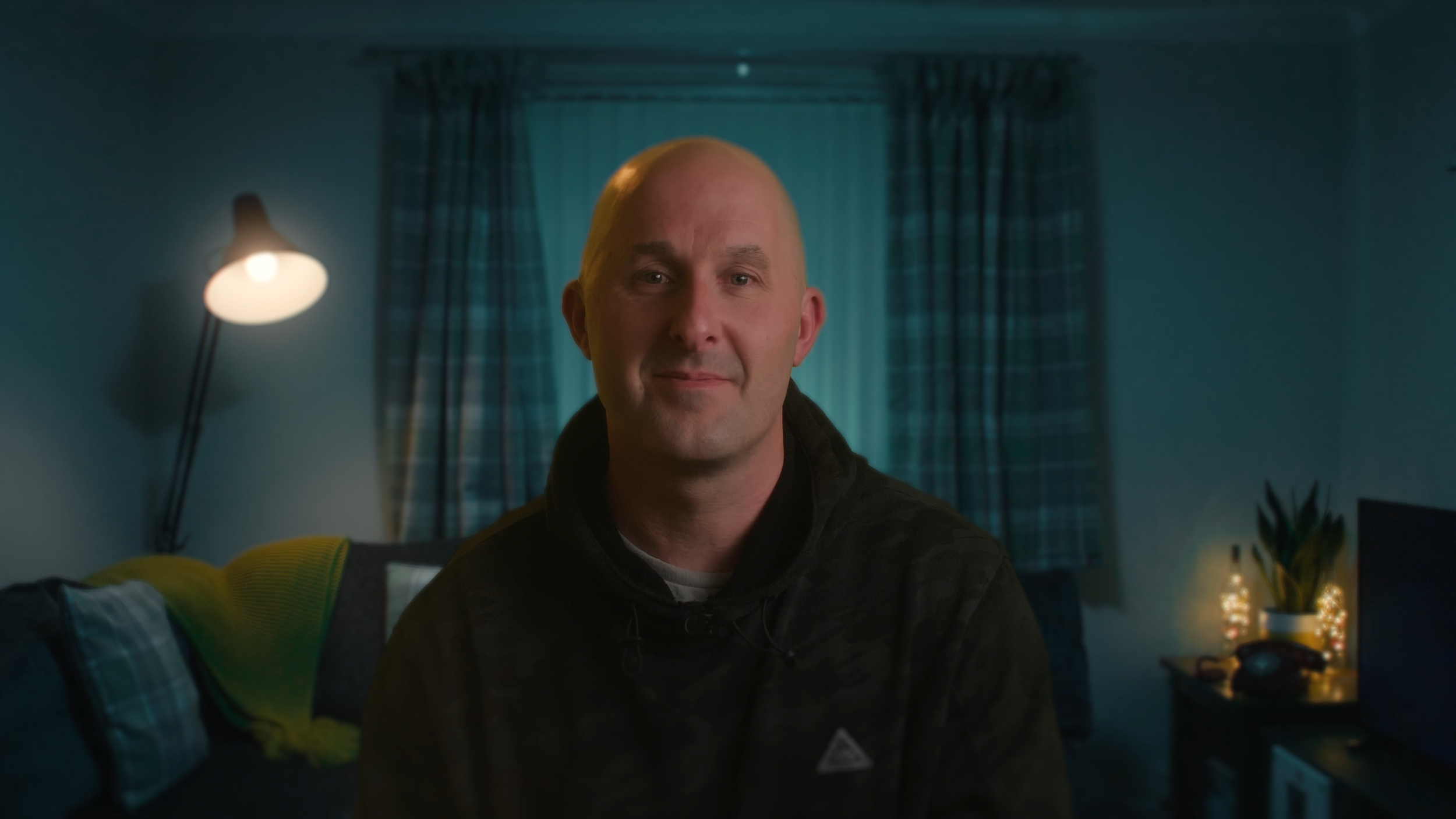
My name is Byron Phillips and I run Datrysiad Media.
Datrysiad Media is a video production company based in Cardiff. We help businesses with their pain problems and communicate their stories.
We are a full-service video production that can handle every aspect of the video production process. Creating high-quality video content that meets your needs and exceeds your expectations.